

GLP-1 Injections: Impact on Appetite and Cravings
Understanding GLP-1 Injections
GLP-1 (Glucagon-Like Peptide-1) receptor agonists, such as semaglutide (Ozempic®, Wegovy®) and tirzepatide (Mounjaro™), are FDA-approved medications initially developed for type 2 diabetes management. These injectable treatments have gained prominence for their efficacy in weight loss by mimicking the GLP-1 hormone, which regulates appetite and food intake. By activating GLP-1 receptors in the brain, these medications enhance feelings of fullness, reduce hunger signals, and slow gastric emptying, leading to decreased calorie consumption and weight loss.
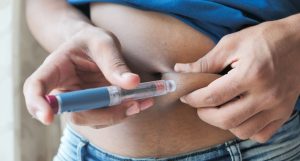
How GLP-1 Injections Control Appetite and Cravings
GLP-1 injections aid in weight loss through multiple mechanisms:
- Appetite Suppression: They interact with the brain’s appetite centers to reduce hunger signals, helping individuals feel full faster and for longer periods.
- Craving Reduction: By stabilizing blood sugar levels, GLP-1 medications can diminish cravings for high-calorie foods, making dietary adherence more manageable.
Delayed Gastric Emptying: These treatments slow the rate of stomach emptiness, prolonging satiety after meals and reducing overall food intake.
Collectively, these effects contribute to sustainable weight loss and improved metabolic health.
GLP-1 Therapy in Scottsdale & Mesa
Residents of Scottsdale and Mesa have access to GLP-1 therapy through various medical weight loss centers. Clinics such as Infinite Wellness Hormone Specialists and The Well Med Spa offer personalized programs utilizing semaglutide injections to support patients’ weight loss journeys. These programs often include comprehensive evaluations, nutritional guidance, and ongoing monitoring to ensure optimal results and patient safety.

Efficacy of GLP-1 Injections
Clinical studies have demonstrated the effectiveness of GLP-1 receptor agonists in promoting weight loss:
- Semaglutide: Participants using semaglutide experienced an average weight loss of approximately 15% of their initial body weight over 68 weeks.
- Tirzepatide: In trials, users of tirzepatide achieved up to 22.5% weight loss, showcasing its potential as a powerful weight management tool.
These results underscore the potential of GLP-1 therapies as effective interventions for individuals struggling with obesity and related health conditions.
Getting Started with GLP-1 Therapy
Embarking on a weight loss journey with GLP-1 injections involves several steps:
- Consultation: Schedule an appointment with a healthcare provider specializing in medical weight loss to assess eligibility and discuss goals.
- Personalized Plan: Develop a tailored treatment plan that includes GLP-1 therapy, nutritional counseling, and lifestyle modifications.
- Monitoring: Regular follow-ups to monitor progress, adjust dosages, and address any side effects or concerns.
For residents in Scottsdale and Mesa, clinics like New Results Medical Weight Loss offer comprehensive programs to support individuals throughout their weight loss journey.
Note: Always consult a qualified healthcare provider to determine the most appropriate treatment plan for your needs.
For more information on the FDA’s stance on compounded GLP-1 drugs, visit the FDA’s official page. Note: This blog post is informational and should not replace professional medical advice. Always consult a qualified healthcare provider regarding medical concerns or treatment decisions.